Clause 3(a)(3)
Heritage & Knowledge Systems
Conservation of monuments and traditional architecture, research into classical masonry and acoustic geometry, and AI-assisted cataloguing of manuscripts and civilisational knowledge.
Clause 3(a)(2)
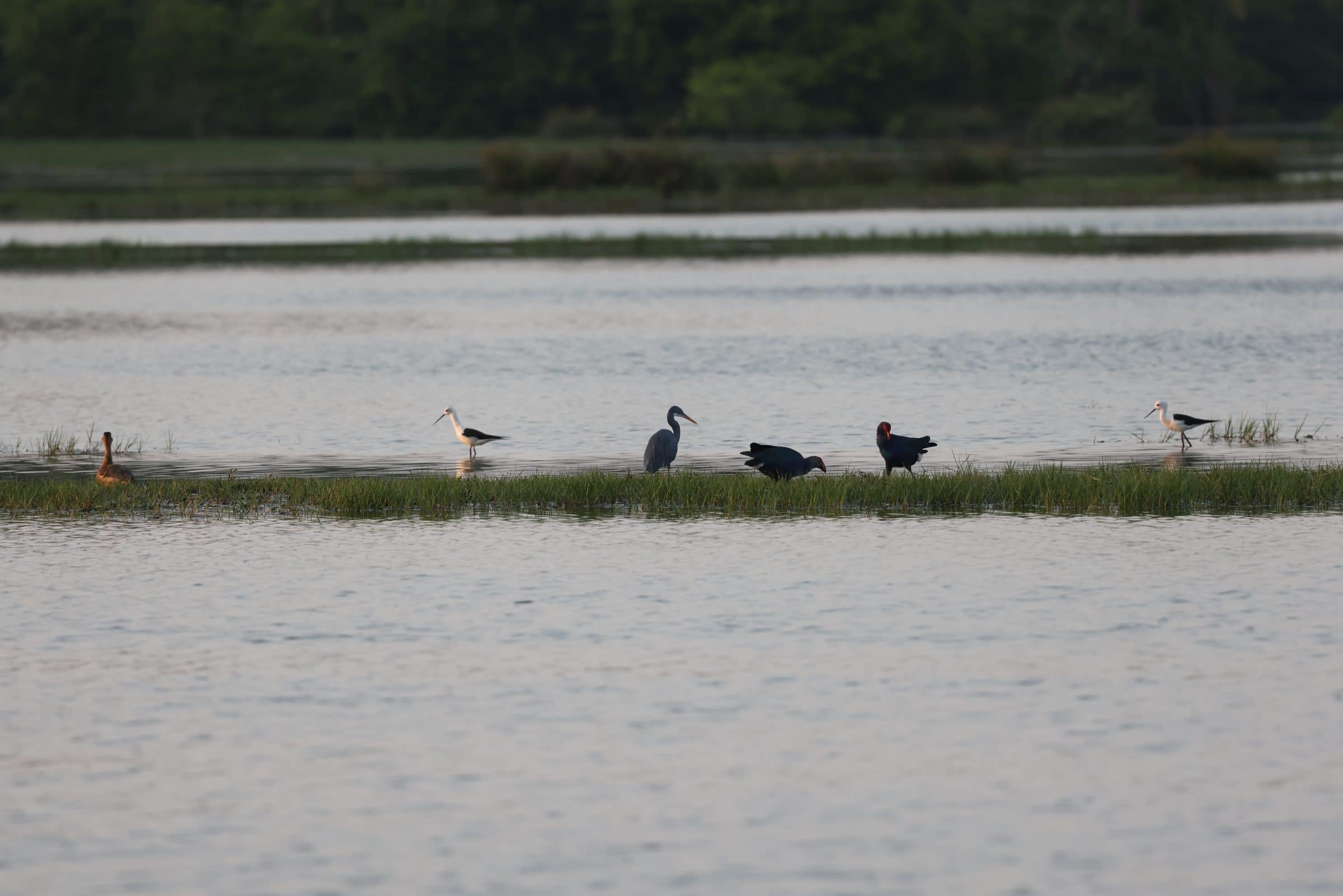
An injured street dog, an abandoned cow past its working years, a wetland quietly drying out — none of these have a lobby. They depend entirely on someone deciding to show up. This pillar is our commitment to being that someone: consistently, scientifically, and without waiting for a crisis to make it newsworthy.
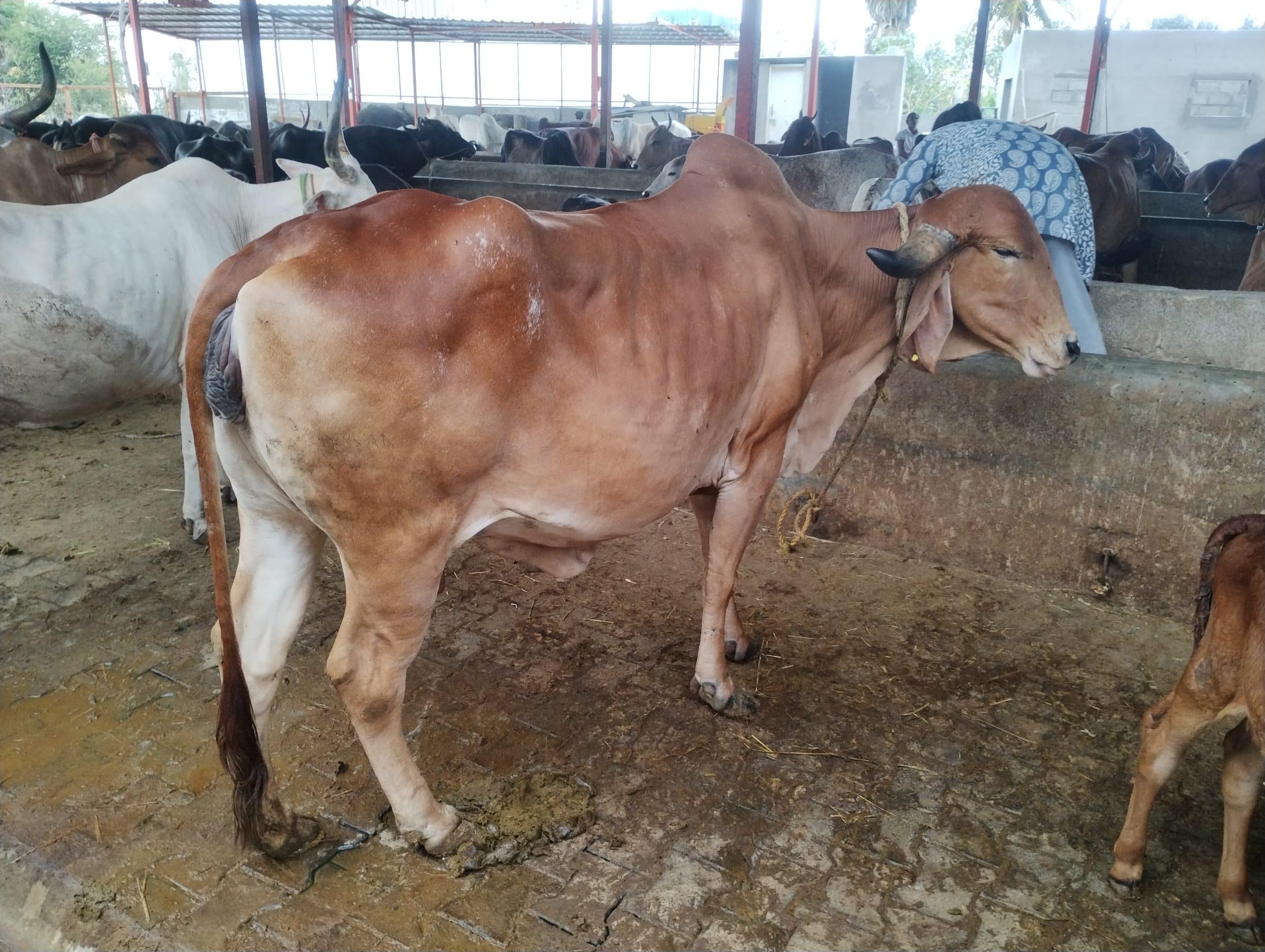
Illustrative photo Gannu03 / Wikimedia Commons, CC BY-SA 4.0
None of these exist yet. This is what this object permits us to create, in the words of our founding document.
Join Team Ecology and help decide what gets built first.
Nothing here exists yet. A gift designated to this object helps decide whether it is the one we build first.
Fund EcologyClause 3(a)(2)
Velumic Foundation's second object is to protect, preserve, and restore the natural environment, biodiversity, and animal welfare — by establishing and operating modern animal trauma centres, veterinary clinics, transit rescue homes, and lifetime shelters for abandoned, injured, and community stray animals.
This includes establishing and operating scientifically managed cow shelters (Gaushalas) dedicated to the conservation, health, and breed preservation of indigenous bovine lineages.
It also covers developing and deploying sustainable ecological models that integrate animal care with circular bio-economy practices — organic soil nourishment, decentralised bio-methane energy generation, agroforestry, and watershed management — and conducting humane education, population control, and anti-rabies vaccination programmes in accordance with guidelines issued by the Animal Welfare Board of India.
Help decide what gets built first
Give